Zoe E-Tech Ultimate vs VW ID.3 Pro: A High-Spec Showdown
The list of electric cars available has considerably grown, but two models always seem to pop up among the best-selling ones: the Renault Zoe E-Tech Ultimate and the Volkswagen ID.3 Pro. These two small electric hatchbacks have enthralled drivers with the best combination of realistic range, fun performance, and trailblazing technology. They are the culmination of attainable electric mobility with a clear and different purpose behind each one. In this thorough Zoe E-Tech Ultimate review, we will see if it can compete with its tough German competitor.
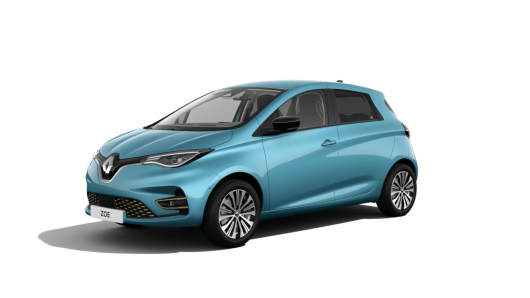
The Renault Zoe E-Tech has always been ahead of the curve, as ever practical and innovative for the EV market. Following the line of the specification levels of the Dacia Sandero, the Ultimate level upgrades that legacy, transforming it into a premium compact city car brimming with innovation. It champions intelligent design and intuitive technology, making electric driving simple and an everyday-everywhere kind of life. Then there’s the VW ID.3 Pro, bearing the expectations of a storied automotive company, looking to be the electric heir to the equally iconic Golf. It draws on its relationship to engineering mastery while advocating a minimalist tech-first mindset. The comparison goes beyond paint specifications; it is really a battle of philosophies.
The polished, feature-packed value of Renault competes with the established power and prestige of Volkswagen. Tune in as we analyse what makes each car so desirable as we check out new styling, powertrain technology and innovations on both models. We run through the differences that define their experiences behind the wheel, so you can decide which high-spec electric hatchback really offers the best package.
Quick Recap: Key Highlights of Zoe E-Tech Ultimate vs VW ID.3 Pro
Before getting into all the details in this in-depth review of the Zoe E-Tech Ultimate, let’s have a general overview. This review offers a bird’s-eye view of the Renault Zoe E-Tech Ultimate and the Volkswagen ID.3 Pro in the most essential areas for comparison. Consider it your cheat sheet for what each of these amazing EVs offers.
Manufacturer
- Renault: A French car manufacturer that has always been at the forefront of innovation, including pioneering the electric car in Europe.
- Volkswagen: The German automotive behemoth, renowned for its engineering skill and iconic cars, is now aggressively expanding into electrification with its ID. Series.
Model Year
- Zoe E-Tech Ultimate: This review relates to the brand-new model, the result of years of development and market leadership in the small EV segment.
- VW ID.3 Pro: Here we take a look at the current version of VW’s first real attempt at a mainstream electric hatchback.
Body Type
Both are 5-door compact hatchbacks engineered for adaptability to city living, yet possessing ample room to accommodate small families or the occasional weekend away.
Available Trims/Variants
- Zoe E-Tech Ultimate: For the Ultimate, which is the top trim, the sprinkle-in features are very light to non-existent.
- VW ID.3 Pro: The Pro is part of a larger product range, which includes a good balance between range and performance as a mid to high-spec option.
Interior and Exterior Designs
- Renault Zoe E-Tech Ultimate: Displays a refined and fluid exterior with a distinctive C-shaped light signature. Inside, the emphasis is on premium, sustainable materials and a simple, driver-focused cockpit.
- Volkswagen ID.3 Pro: Minimalist and futuristic design with clean and modern looks. The interior is almost button-less, featuring full numeric digital screens.
Performance and Driving Experience
- Zoe E-Tech Ultimate: Zoe delivers lively, responsive acceleration that’s ideal for city driving, with a comfy ride and handling that makes it surprisingly nimble.
- VW ID.3 Pro: The rear-wheel-drive arrangement lets the ID.3 Pro glide through a smooth and composed ride with balanced handling and confident performance on the highways.
Powertrain Options
- Zoe E-Tech Ultimate: With a 100 kW (135 hp) motor and a 52 kWh battery, optimised for best real-world range and efficiency.
- VW ID.3 Pro: With a 150 kW (204 hp) motor and a 58 kWh battery, offering a good mix of performance and range.
Innovations & Features
- Zoe E-Tech Ultimate: Standard equipment includes a 9.3-inch portrait touchscreen, high use of recycled materials for the interior, and a full suite of driver assists.
- VW ID.3 Pro: Features the new ID: light communication system, an optional augmented reality head-up display, and a fully digital user interface.
Price Range
The two vehicles are rivals in a comparable price range for their top-end specs. The price of the ultimate version of the Zoe E-Tech emphasises the value story thanks to a huge number of features included as standard, while the price of the ID.3 Pro acts as a base price to be customised with optional packs.
Overview & Design Inspirations: Two Visions for the Electric Future
The Renault Zoe E-Tech Ultimate is a compact city car, especially in this higher trim-level variant, while the Volkswagen ID.3 Pro is designed as a compact hatchback. They’re not just cars; they’re visions of what each manufacturer thinks the future of everyday electric mobility should be. This is the inspiration behind their design and engineering philosophies at the core of this Zoe E-Tech Ultimate review, which explains why they have become so direct and fascinating.
Renault’s take on the Zoe E-Tech is a refined progression. The design and engineering philosophy is about advanced technology being accessible and embodied in a beautifully practical form. The stylisation of the Zoe is fluid and natural, with soft curves and a warm and welcoming face, all refined over ten years of marketplace dominance. Maximising efficiency and ease of use has always been the OEM’s goal. This is visible in the odo-friendly footprint of the Zoe, hiding a surprisingly roomy interior, and in its powertrain conceived for maximum real-world range. The Ultimate trim level takes that a step further by using quality, sustainable materials for the interior, expressing a belief in “wise” luxury that is both environmentally friendly and pleasant to the touch.
Instead, the Volkswagen ID.3 Pro is a product of revolution. Based on the brand’s modular MEB electric platform, its design ethos is straightforward: “form follows function. VW’s guiding principle was to build a car with the exterior footprint of a Golf but the interior space of a Passat, something made possible by the packaging benefits of an electric powertrain. The ID.3’s clean, almost monolithic exterior is broken up by short overhangs and a long wheelbase that pushes the wheels to the edges. This approach levels the wheel and also contributes to a stable ride and spacious cabin. The inside is a digital-first zone, but not in the way Tesla went with physical buttons removed in place of touchscreens and voice commands, hinting at a conscious departure from tradition.
Design Appeal and Rivalry
The divergent design paths naturally create different points of appeal. The Renault Zoe E-Tech Ultimate, with its chic styling, high-end interior accents and proven track record, does not infrequently appeal to an older purchaser who seeks recognised quality and comfort. It is a car for those who want the advantages of modern EV technology but without having to scale a steep learning curve.
The VW ID.3 Pro, computer-fanatic, minimalist, and ultramodern, appeals to a younger, more digitally native crowd. Its smartphone-like experience and stark, clean lines attract those who consider their car to be an extension of their connected lifestyle.
The rivalry between these two is so strong because both are trying to be the ultimate compact electric hatchback, both vehicles that attempt to find the solution from opposite sides. The Zoe E-Tech is the high point of a tried and trusted EV platform, distilled to near perfection. The ID.3 is a radical, from-the-ground-up reinterpretation of what a mainstream EV is supposed to be. With their long range, five-door practicality and premium specification, both are in direct competition for the same discerning buyers. Their fight is about more than sales; it’s a battle between considered evolution and brazen revolution.
Variants & Trims Breakdown: Tailoring Your Electric Drive
What to compare: Renault Zoe E-Tech Ultimate vs VW ID.3 Pro. Compare more than just the basic model when you are considering the Renault Zoe E-Tech Ultimate against the VW ID.3 Pro. Knowing the different trims, packages you may add, and specific versions of each trim level is very useful to get the car that best fits your requirements and your budget. Both brands have different takes when it comes to personalisation, Renault selling a generously equipped high-end model while Volkswagen takes a more modular approach. This is our Zoe E-Tech Ultimate review split to help break down the different versions and make it easier to understand what you get for your money.
Renault keeps things easy with the Zoe E-Tech Ultimate. As a high-end specification, it includes a long list of features as standard. We feel this gives the Ultimate trim the edge by making it a one-stop shop, allowing drivers to experience everything Renault has to offer without getting overwhelmed by a confusing array of options. The value proposition is simple: you get a car brimming with futuristic technology and comfort features, made with premium materials, right out of the gate.
But VW has a more stratified ID.3 line-up, with the Pro a common middle-of-the-road option. Although it has a good base level of equipment, VW offers a range of packages through which buyers can personalise the vehicle. These packages combine products such as enhanced driver assistance, improved interior components or more advanced infotainment solutions. This means that the ID.3 Pro can be configured exactly the way one wants it, but also that the price can turn much higher than the base figure.
Trims and Value Comparison
| Feature/Trim | Renault Zoe E-Tech Ultimate | VW ID.3 Pro |
|---|---|---|
| Philosophy | All-inclusive premium trim with nearly all features as standard. | A strong base model with extensive personalisation through optional packages. |
| Infotainment | 9.3-inch portrait touchscreen with navigation and smartphone integration. | 10-inch landscape touchscreen. Navigation is often part of an optional package. |
| Driver Display | 10-inch customisable digital driver’s display. | 5.3-inch digital instrument cluster. |
| Interior | Seats made from 100% recycled materials, synthetic leather steering wheel. | “Style” interior with fabric seats. More premium options are available in packages. |
| Driver Aids | Front & rear parking sensors, reversing camera, blind-spot warning, lane keep assist. | Front & rear parking sensors are standard; more advanced aids are in optional packs. |
| Wheels | 17-inch diamond-cut alloy wheels. | 18-inch “East Derry” alloy wheels. Other designs are available as options. |
| Value | High intrinsic value due to the extensive list of standard equipment. | Good baseline value, but true potential is unlocked through added-cost packages. |
Different Variants: Strengths and Innovations
The Zoe part of the E-Tech Ultimate package is powered by an R135 motor, rated at 100 kW (135 hp). This drivetrain is designed to be tactile and deliver immediate torque, so it is extremely well-suited to city driving and quick manoeuvres. The innovation isn’t just the sheer power, but how efficiently that 52 kWh battery is being used to yield a practical and dependable real-world range. One of the key pillars of Renault’s B-Mode for enhanced regenerative braking is the ability to perform one-pedal driving in a multitude of circumstances, a trait which improves efficiency and mitigates driver fatigue.
The VW ID.3 Pro model, on the other hand, has a stronger 150 kW (204 hp) motor with a 58 kWh (net) battery. Its rear-wheel-drive configuration is its strength, a trait common among more athletic cars that allows for balanced handling and a composed feel, particularly on the freeway at higher speeds. The ID.3 pivots most notably on its MEB platform, a ground-up electric architecture that enables more interior space and the inclusion of advanced technology, such as the optional augmented reality head-up display and the intuitive ID. Light system.
Zoe E-Tech Ultimate Vs VW ID.3 Pro Spec Sheet Appendix
| Specification | Renault Zoe E-Tech Ultimate | VW ID.3 Pro |
|---|---|---|
| Battery (Usable) | 52 kWh | 58 kWh |
| Motor Power | 100 kW (135 hp) | 150 kW (204 hp) |
| Torque | 245 Nm | 310 Nm |
| Drivetrain | Front-Wheel Drive | Rear-Wheel Drive |
| Range (WLTP) | Up to 238 miles | Up to 265 miles |
| 0-62 mph | 9.5 seconds | 7.3 seconds |
| Top Speed | 87 mph | 99 mph |
| Max DC Charging | 50 kW | 120 kW |
| Boot Space | 338 litres | 385 litres |
All-Inclusive Value
The Zoe E-Tech Ultimate’s single, high-spec trim provides a wealth of features as standard, simplifying the buying process.
The ID.3 Pro offers a solid foundation that can be extensively customised with optional packages to fit specific desires.
Clear Strengths: Renault’s Zoe excels with nimble city performance and efficiency, while VW’s ID.3 offers more power and composed high-speed cruising.
At-a-Glance Specs: The spec sheet provides a direct, factual comparison of the Zoe E-Tech Ultimate specs against its rival for an informed decision.
Renault Performance & Driving Experience: Agility Meets Efficiency
To get a full picture of the changes, it’s important to go beyond the static spec sheet and see how the car converts electricity into motion. The driving force on the Renault Zoe E-Tech Ultimate is a feeling of vigorous lightness that makes city driving not only bearable but actually amusing. Renault has made this car to dominate the city streets with its immediate responsiveness and a suspension that decouples the driver from any road bumps.
The R135 electric motor is at the root of this experience. Offering a rather punchy 100 kW (135 hp), this is a synchronous motor with a wound rotor. For a high-performance sports car, these numbers are modest, but the electric delivery means a lot. With a torque of 245 Nm on tap from rest, the Zoe E-Tech Ultimate pushes off with surprising immediacy. The 0–100 km/h (0-62 mph) run is good for around 9.5 seconds, but it is the 0-50 km/h acceleration at which the car truly shines, enabling you to safely zip off from traffic lights and dart through roundabouts. The maximum speed is electronically limited to 140 km/h (87 mph), which is more than adequate for highway driving, although the car is certainly best suited for city and suburban use. Power is delivered to the front wheels through a silky smooth, single-speed automatic reduction gear that makes for linear acceleration free from shift shock.
The ride and handling have a calculated blend of comfort and control. Renault has adapted the suspension to filter out speed bumps and potholes, resulting in a stable ride even on rough surface roads. Since the heavy battery pack sits under the floor, the centre of gravity is low, reducing body roll in corners. The steering is light and accurate, and there’s just sufficient feedback to make you feel connected to the road, but not so much that you have to fight the wheel in tight parking manoeuvres. In addition to this, the driving experience is modified with the “B-mode” option in the gear selector. This triggers aggressive regenerative braking for almost one-pedal driving, taking your foot off the gas slows the car dramatically, capturing energy back into the battery and lessening use of the brake in stop-and-go traffic.
Performance & Driving Experience Comparison
Seeing the Renault Zoe E-Tech Ultimate and the Volkswagen ID.3 Pro side by side reveals two very different ways of arranging an electric drivetrain. The Volkswagen ID.3 Pro usually follows the RWD layout, a classic recipe for performance cars, which has always been the best drivetrain layout for traction while on the gas. No, it’s easier-capable FWD for the Zoe, which will be familiar to most drivers, and still the better layout for packing brains and brawn into a tiny, affordable EV. Though a few premium EVs have all-wheel drive (AWD) systems boasting extreme power and grip, these two vehicles instead use two-wheel drive systems designed for maximum range and everyday usability rather than peak track performance.
The total output of the ID.3 Pro is typically higher, with
150 kW (204 hp), which means that it has more pulling power at high speed, and it can accelerate quickly from 0 to 100 km/h. Yet it’s the lighter, more compact Zoe E-Tech Ultimate that is often nimbler in the tight confines of the city. The VW is more stable and solid on the wide-open highway, more of a cruiser, while the Renault is more of a lively runner in traffic.
| Feature | Renault Zoe E-Tech Ultimate | VW ID.3 Pro |
|---|---|---|
| Motor Setup | Synchronous electric motor with wound rotor | Permanent magnet synchronous motor |
| Drivetrain System | Front-Wheel Drive (FWD) | Rear-Wheel Drive (RWD) |
| Total Output | 100 kW / 135 hp | 150 kW / 204 hp |
| Torque | 245 Nm | 310 Nm |
| 0–100 km/h (0–62 mph) | 9.5 seconds | 7.3 seconds |
| Top Speed | 140 km/h (87 mph) | 160 km/h (99 mph) |
| Driving Modes | Eco, Normal, B-Mode (Regen) | Eco, Comfort, Sport, Individual |
Instant Torque: The R135 motor delivers 245 Nm immediately, making city driving feel responsive and effortless.
Comfort-Tuned Suspension: The chassis setup effectively smooths out road imperfections, ensuring a relaxing ride for daily commutes.
Intuitive B-Mode: The regenerative braking system simplifies traffic driving while maximising energy efficiency and range.
Agile Handling: A low centre of gravity and precise steering make the car exceptionally easy to manoeuvre in tight urban spaces.
Interior, Comfort & Technology: The Cabin Experience
Entering an electric car should be like stepping into the future, and both the Renault Zoe E-Tech Ultimate and the Volkswagen ID.3 Pro offer you very different but distinctly modern cabin experiences. Both are designed to be comfortable, connected environments, but they have very different approaches to the design, materials and user interface. This part of our Zoe E-Tech Ultimate review is all about the cabin, and it’s in the way the car feels on a daily basis that you really come to understand what it’s like to own it.
The Renault Zoe E-Tech Ultimate exudes warmth and a well-thought-out design. The centre console flows from the dash and is in keeping with the driver-focused and easy-to-navigate design of the cabin. One highlight is the 10-inch digital driver’s display, readable, customisable and able to show all the necessary driving information at once. It is complemented perfectly by the 9.3-inch portrait-style EASY LINK infotainment screen that sits above the centre console. This tabloid-style HMI is snappy and easy to use, and includes seamless Apple CarPlay and Android Auto support. The seat fabric and dashboard trim are made from high-end material that’s 100 per cent recycled, and it just so happens that it looks premium and feels like something you’d want to call “eco-conscious”. Its ergonomics are good, with logically placed controls, and the seats are well-suited to city or long-distance driving. For a small car, there’s a lot of room to store things in this car, including a large 338-litre boot, as well as some smart compartments around the cabin.
By contrast, the VW ID.3 gives the future a more stripped-back, even bleak look. The clean interior design is nearly button-free. The main control is the 10-inch landscape touchscreen, which manages everything from media to climate. While clean to the eye, this tactic has the effect of increasing the learning curve to a steeper one. A compact, 5.3-inch digital screen is attached to the steering column, displaying only essential data such as speed and range. Because of the dedicated MEB electric platform with a flat floor and a moved-forward dash, the ID.3’s interior is extremely open and spacious. The Zoe is more utilitarian looking inside, and while the materials are more solid, they are more hardwearing plastics rather than the soft-touch, premium look of the Zoe. It is confident enough over rough roads, and its supportive seats are comfortable, and the quiet ride lets in virtually no road noise, plus its 385-litre boot provides you with a little more storage room when compared to that of the Renault. Significant technology highlights include the “ID. Light,” an LED strip that interacts with the driver, and an optional augmented reality head-up display.
Renault Design & Exterior: Style Meets Substance
The exterior design of a car shapes its identity, and the Zoe and ID.3 are no exceptions. The architectural principles that define them say a lot about their brands’ ambitions.
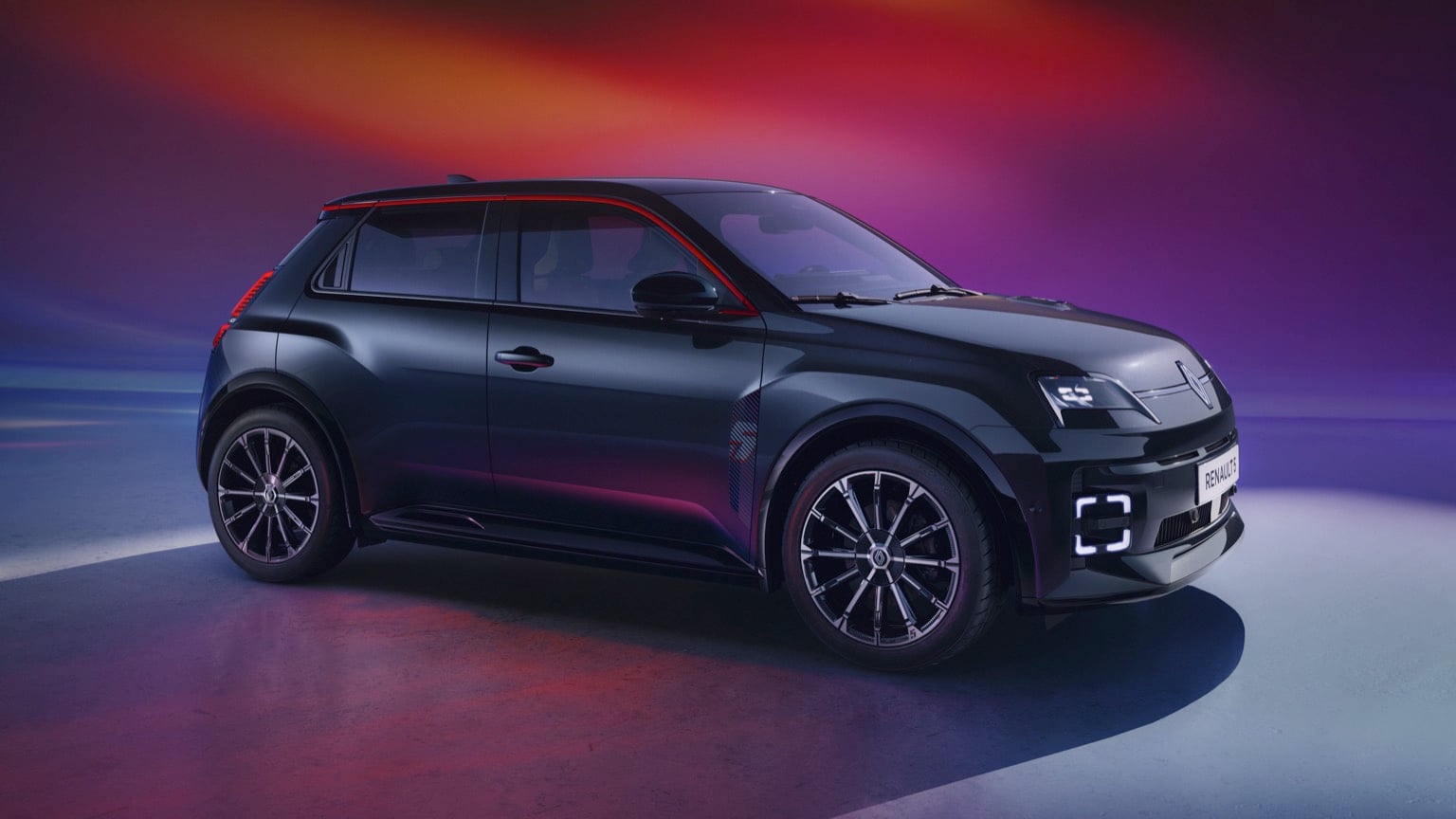
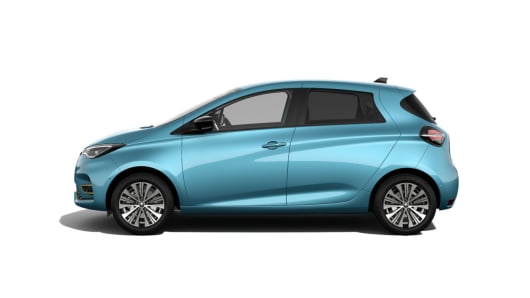
The Renault Zoe E-Tech Ultimate has a refreshingly chic yet aerodynamic design language. With a few soft, flowing lines and compact dimensions, its silhouette has been honed during its lifecycle to a friendly and contemporary form. The front is dominated by a large Renault diamond logo that hides the charging port, flanked on either side by signature C-shaped LED daytime running lights that provide a distinctive look.
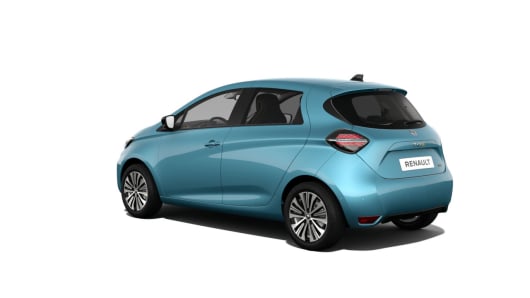
The flush rear door handles add to the clean, coupe-like look, while the sculpted sides and 17-inch diamond-cut alloy wheels give it a little dynamic flair. The general layout emphasises efficiency in a small, city-friendly package.
Based on the MEB platform, the Volkswagen ID.3 Pro takes design cues from its electric-first architecture. The short front and rear overhangs, the long wheelbase and the wheels pushed out to the corners give it what may be the most futuristic, planted stance of all this year. The styling is simple and smooth, visually reducing the number of elements to enhance the aerodynamics.
The biggest differences are the optional honeycomb-pattern front bumper and the slim LED light bar joining the headlights. The two-tone roof option and substantial 18-inch wheels lend it a contemporary techy feel that demarcates it from VW’s internal combustion engine models.
| Feature | Renault Zoe E-Tech Ultimate | VW ID.3 Pro |
|---|---|---|
| Available Colours | A range of vibrant and classic metallic finishes, like Celadon Blue and Flame Red. | Modern palette including Moonstone Grey and Makena Turquoise, often with a contrasting black roof. |
| Lighting Signature | Full LED headlights with C-shaped LED daytime running lights. LED rear lights. | LED headlights and taillights. Optional IQ.LIGHT Matrix LEDs and front light bar. |
| Aerodynamics | Smooth, flowing body lines and an optimised shape to reduce drag and maximise range. | Clean surfaces, flush door handles, and a smooth underbody for low aerodynamic resistance. |
| Body Detailing | Hidden rear door handles for a coupe-like profile, chrome accents, and a distinctive front grille. | Minimalist aesthetic with optional two-tone colour schemes and a distinctive C-pillar decal. |
Safety & Reliability: Built-in Peace of Mind
When choosing a modern car, especially an electric one, performance and technology aren’t the only things to consider. At the heart of trustworthy ownership is safety and reliability. Renault and Volkswagen have also both poured significant resources into building vehicles that define not only occupant protection but long-term reliability. In this section of our Zoe E-Tech Ultimate review, we take a look at the safety frames and assist systems of both the Zoe and the ID.3 Pro, including their reliability.
The Renault Zoe E-Tech Ultimate comes with a wide array of safety features that make it difficult for the driver to get into an accident and risky for other drivers to hit. As the highest trim, it comes packed with numerous Advanced Driver Assistance Systems (ADAS) as standard. These systems, which include Lane Keep Assist, Lane Departure Warning and Blind Spot Warning, combine to be a second set of eyes on the road. For city life, front and rear parking sensors and a rear-view camera make parking in tight spaces easier and safer. The car is designed with a reinforced battery structure to shield it in case of a crash, and it has a complete set of airbags. The braking system is equipped with ABS and Emergency Brake Assist for optimal braking force when you need it.
Volkswagen also gives the safety aspect a top priority with the ID.3 Pro. Based on the sturdy MEB architecture, the ID.3 features a tight safety cell that houses the integrated battery pack and passenger compartment. While its standard safety package is quite comprehensive (including Front Assist with City Emergency Braking and pedestrian detection), several of the more sophisticated ADAS capabilities from the Zoe Ultimate are available only in optional packages. This also means that buyers might have to pay for extras such as Adaptive Cruise Control and Lane Assist. It is now three years since the ID.3 was launched, and it has scored well in crash tests, achieving a top five-star rating from Euro NCAP, proving its fundamental structural integrity.
Both brands have good deals when it comes to reliability and warranty. Renault offers a full vehicle warranty, but what sets it apart is the separate, extended warranty for the traction battery, which generally covers it for eight years or 100,000 miles against severe degradation. That wields a lot of assurance about the long-term health of the most important part. The Zoe platform has been honed for ten years, so Renault could iron out any potential problems and establish a reputation for reliability in the EV realm. Volkswagen has a similar warranty package: three years on the vehicle and an eight-year/100,000-mile warranty on the battery. The ID.3, as a newer platform, still has to prove itself in terms of long-term reliability, but it draws on VW’s extensive engineering expertise and testing.
Comprehensive Standard Safety: The Zoe E-Tech Ultimate includes a full suite of advanced driver aids, like blind-spot monitoring and lane-keep assist, without needing optional packs.
Proven Platform: Benefit from Zoe’s decade-long evolution, which has resulted in a refined and reliable electric vehicle.
Strong Battery Warranty: Both models offer extensive battery warranties, providing long-term confidence in the powertrain’s durability.
Solid Structural Integrity: The ID.3 Pro’s five-star Euro NCAP rating confirms its excellent crash protection and robust build quality.
Head-to-Head: Zoe E-Tech Ultimate vs. ID.3 Pro and the Competition
There are a lot of things to consider when choosing an EV, from daily usability to value over time. The Renault Zoe E-Tech Ultimate and VW ID.3 Pro are leaders, but how do they stand in the pack? In this direct comparison that forms a crucial part of our Zoe E-Tech Ultimate review, we put them head-to-head, also taking a few other popular rivals into the mix, to provide an even clearer picture of which car for your money is the best all around. Both the Zoe E-Tech Ultimate and ID.3 Pro are targeting the premium compact EV market, but each offers a different kind of value. The all-in-one nature of Zoe’s proposition; the Ultimate trim is packed with features, many of which are price extras on rivals. The ID.3 Pro is built on a more advanced MEB platform (providing more interior space, a more powerful motor as standard, and needing optional packages to match the Zoe’s features), but the Zoe is too compelling not to consider.
| Feature | Renault Zoe E-Tech Ultimate | VW ID.3 Pro |
|---|---|---|
| Price | Competitive pricing with a high level of standard equipment. | Higher base price, which increases with optional feature packages. |
| Performance | 100 kW (135 hp), 9.5s 0-62 mph. Agile and responsive for city driving. | 150 kW (204 hp), 7.3s 0-62 mph. Powerful and composed on motorways. |
| Range (WLTP) | Up to 238 miles. Optimised for real-world efficiency in varied conditions. | Up to 265 miles. Strong performance from a slightly larger battery. |
| Design | Chic and sophisticated with a premium, warm interior using sustainable materials. | Minimalist and futuristic with a spacious, tech-focused, and simple cabin. |
| Value | Excellent value proposition due to the extensive list of standard features. | Good foundational value, with customisation potential defining its final cost. |
Clear Value Proposition: The Zoe E-Tech Ultimate offers exceptional value with its extensive list of standard premium features compared to the ID.3 and other rivals.
Competitive Landscape: When measured against the Peugeot e-208 and Vauxhall Corsa Electric, the Zoe’s superior interior quality and technology stand out.
Buyer-Centric Choice: The Zoe is perfect for those seeking all-inclusive luxury and city agility, while the ID.3 appeals to drivers wanting more space and power for motorway cruising.
Why Choose the Zoe E-Tech Ultimate and VW ID.3 Pro
Comparing two top-notch electric cars like the Renault Zoe E-Tech Ultimate and the VW ID.3 Pro is just a matter of finding which one suits your life, priorities and values closely. Both models are the ultimate expression of contemporary electric mobility; they have vastly differing approaches and target audiences. This part of our review of the Zoe E-Tech Ultimate makes it clearer as to why either car is an excellent choice and which person each car is matched to be the better option for.
Renault Zoe E-Tech Ultimate: Pros
- Exceptional Standard Equipment: The Ultimate trim is an all-inclusive package, offering a 9.3-inch touchscreen, a full suite of advanced driver-assistance systems, and premium interior materials without costly add-ons.
- Urban Agility: Its compact size, light steering, and instant torque make it incredibly nimble and fun to drive in city environments.
- Premium and Sustainable Interior: The use of high-quality recycled materials creates a cabin that feels both luxurious and environmentally conscious.
VW ID.3 Pro: Pros
- Spacious Interior: The dedicated MEB platform allows for a remarkably airy cabin with a flat floor and ample room for passengers.
- Stronger Performance: The more powerful motor and rear-wheel-drive layout provide quicker acceleration and a more composed feel on motorways.
- Faster DC Charging: With charging speeds up to 120 kW, the ID.3 Pro can replenish its battery much faster at compatible public charging stations.
Proven Excellence: The Zoe E-Tech Ultimate stands out for its refined platform, delivering reliability and a premium experience honed over a decade.
Lifestyle Alignment: Choose the Zoe for outstanding city agility and all-inclusive value, or the ID.3 for spaciousness and long-distance cruising performance.
Strategic Vision: Renault’s Zoe perfects the practical, everyday EV, while VW’s ID.3 pushes a revolutionary, tech-forward vision for the future.
Informed Decision: The clear pros and cons help you weigh the Zoe E-Tech Ultimate variants and features against the ID.3’s offerings to make the best choice for you.
The Smartest EV Choice for Your Lifestyle
Having made a deep comparison, that is to say, the Renault Zoe E-Tech Ultimate vs the Volkswagen ID.3 Pro, now we can say that both of them are excellent EVs leading the market at the moment. They are just two different, well-executed premium compact EV philosophies, and neither makes for a bad choice. Which one of these ideas best matches your personal driving habits and priorities is what you’re going to end up basing your decision on. Our final recommendation in our Zoe E-Tech Ultimate review will help you make the right decision.
The Renault Zoe E-Tech Ultimate is therefore eminently buyable for those drivers who appreciate intelligent, within-reach luxury combined with exceptional urban agility. Its main selling point is its all-encompassing value. For a competitive sticker price, you get a vehicle with high-end tech, key comfort features and advanced safety systems that are part of expensive options on rival models. The chic styling, premium sustainable interior, and nimble handling make driving it a daily delight. It is the right car for navigating the city streets, running those school errands, and tackling your daily commute stylishly and efficiently. And if what you want is a car where you feel special the moment you step inside, without the need for a complicated list of extras, the Zoe E-Tech Ultimate is the pick of the bunch.
On the flip side, the Volkswagen ID.3 Pro is an attractive alternative for people who care more about interior space, along with long-range driving. Its groundbreaking MEB platform also provides a cabin that feels a class above in size, and its more potent motor and quicker DC charging make it a more capable companion for regular motorway journeys. It’s aimed at the driver who wants acceleration and interior space and is not afraid to buy optional advanced tech and comfort packages to personalise their vehicle experience.
For the Value-Conscious Urbanite: The Renault Zoe E-Tech Ultimate is highly recommended for its unmatched standard features, premium interior, and agile city performance.
For the Long-Distance Traveller: The VW ID.3 Pro is the better choice if you need maximum interior space, stronger motorway performance, and faster charging for frequent long trips.
A Clear Decision: Your ideal car depends on your priorities. Choose the Zoe for all-inclusive luxury and urban ease, or the ID.3 for space-age design and cruising power.
Two Excellent Choices: Both models are leaders in the EV segment, confirming that whether you choose Renault’s refinement or Volkswagen’s revolution, you are getting a top-tier electric vehicle.
Ready for your dream EV? Visit The.Car today for spec comparisons and budget guidance.